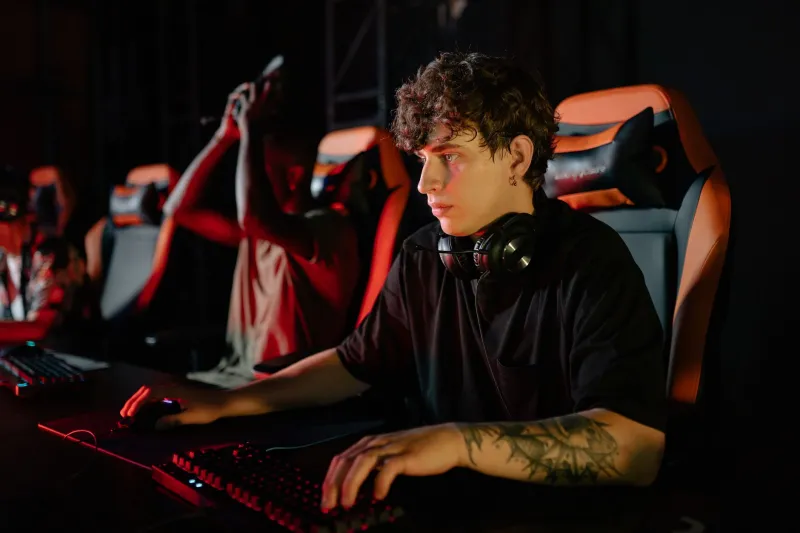
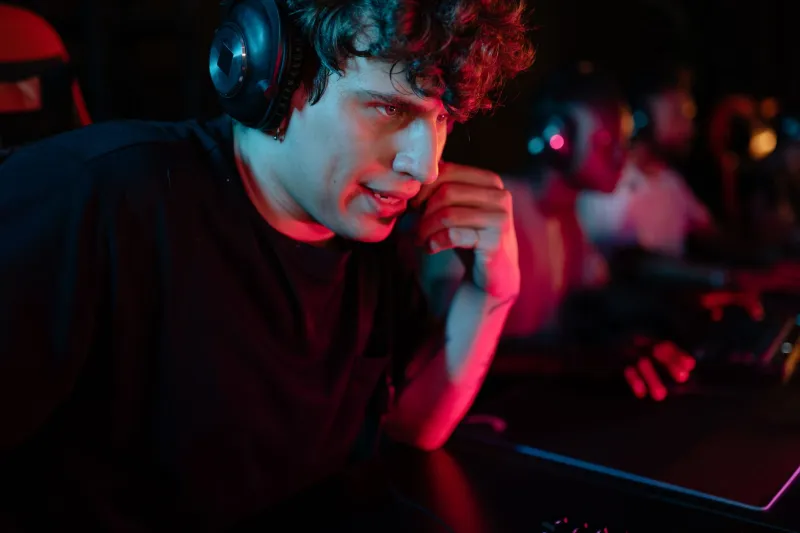
Grind Culture Is Lying to Your Squad: The Case for the Morning Scrim
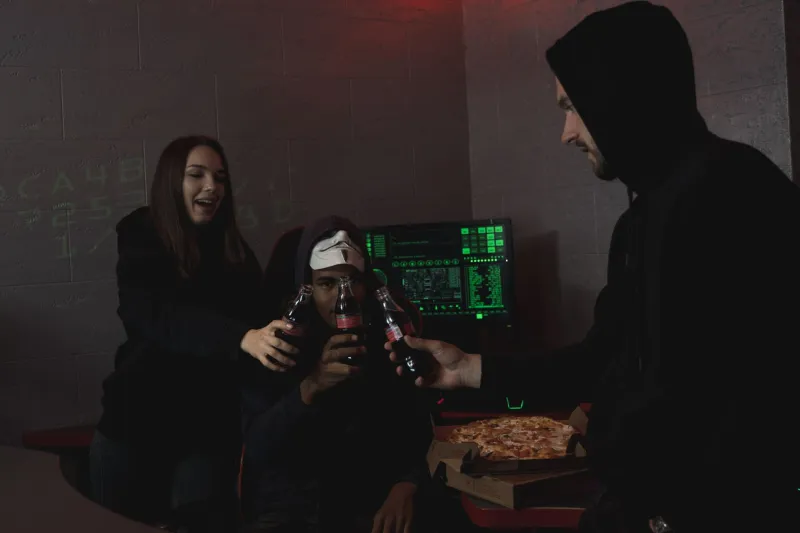
Somewhere in America right now, a five-stack is queuing at 1:47 A.M., running on energy drinks and the belief that this is what dedication looks like. Someone in the Discord will post the lobby screenshot with a caption like "the grind never sleeps."
The grind should sleep. So should they.
Late-night marathon sessions have become the unofficial liturgy of competitive gaming — proof that you want it more than the next guy. But the evidence keeps piling up that this schedule isn't just suboptimal. For teams trying to build actual chemistry, it may be quietly costing them everything they're grinding for.
The Myth of the Nocturnal Grinder
The 2 A.M. session makes sense on paper. School and work eat the day. Everyone's finally free at night. And there's a romantic logic to it: if the pros practice eight hours, then every hour you stay up is an hour you're closing the gap.
But volume isn't the variable that matters. Quality is. And sleep science has been remarkably consistent about what happens to quality when you push cognitive work past midnight.
Reaction time degrades measurably in the late-night window. So does decision-making — specifically the kind of complex, split-second judgment that defines competitive play. A study from researchers at the University of Michigan found that gamers who played after 10 P.M. showed significantly worse performance on precision-based tasks than the same players during daytime hours. You're not closing the gap at 2 A.M. You're rehearsing being worse.
Worse still, you're logging those reps as practice. Your brain doesn't know the session "doesn't count." It's building habits — sloppy positioning, tilted comms, lazy crosshair placement — that show up the next time you play, even rested.
What Sleep Deprivation Does to Team Chemistry
Individual performance is only half the damage. The other half is interpersonal, and for squads, it's the more dangerous half.
Sleep restriction reliably increases emotional reactivity and decreases patience. In a five-person voice channel, that translates directly: shorter fuses, sharper callouts, less tolerance for a teammate's mistake. The research on sleep-deprived teams in other domains — military, aviation, medicine — points the same direction: communication degrades before individual skill does. People stop sharing information. They stop asking questions. They assume instead of confirm.
Think about what that means for a team game. Your IGL's calls get ignored more at 2 A.M. Your quiet player goes quieter. Your worst-tempered teammate gets louder. Nobody is aiming worse enough to notice — everyone is talking worse enough to lose.
And because the session ends at 4 A.M., there's no VOD review, no debrief, no cool-down conversation. You log off mid-tilt and reconvene twelve hours later with the residue still there. Do that three nights a week and you don't have a practice schedule. You have a slow-motion argument.
The Morning Scrim Revolution
Here's the twist: the most organized amateur teams in the US scene are already moving the other direction. Structured morning scrims — 8 or 9 A.M. blocks on weekends, sometimes before work or classes — are becoming a quiet competitive edge at the collegiate and semi-pro level.
The logic is straightforward. Morning slots force the things late-night sessions never have:
- A fixed roster. If scrim starts at 9, you can't wait around for the guy who's "on his way." Accountability goes up.
- A defined end time. Two focused hours beat five foggy ones. Teams schedule review immediately after, while the tape is fresh.
- A rested brain. Reaction time, pattern recognition, and emotional regulation are all at or near their daily peak for most people in the hours after waking — not the hours before bed.
- Actual separation. When practice ends at 11 A.M., your day doesn't end there. You eat, you go outside, you exist as a person. Burnout has nowhere to live.
Collegiate programs figured this out early — partly by necessity, since university esports facilities have daytime hours. But the advantage stuck even when it wasn't mandatory. Ask around the better amateur circuits and you'll hear the same thing: the teams that practice like a job improve like a job. The teams that practice like a 2 A.M. binge improve like a hangover.
Protecting the Rhythm Is a Competitive Skill
None of this means grinding is bad. Elite players put in serious hours — the good ones just put them in at sane times, in structured blocks, with sleep treated as training rather than as time stolen from improvement.
If your squad runs on late nights, you don't need to quit cold turkey. Start smaller:
- Move your highest-stakes practice earlier. Scrims and VOD review deserve your best brain; ranked grinding doesn't. Do the hard work rested and let the solo queue happen whenever.
- Set a hard stop and keep it. A session that ends at midnight with a debrief beats a session that dies at 3 A.M. with a rage quit.
- Track the correlation. Keep a simple log of win rate and team mood by session start time. Most squads that do this see the pattern within a month, and the data does the arguing for you.
The culture will call it soft. Let it. Outplaying someone doesn't require out-suffering them — it requires being sharper when it counts. And increasingly, the sharpest teams in your bracket aren't the ones still awake at 2 A.M.
They're the ones who went to bed, showed up rested, and took your ladder while you were yawning.