Playing to the Camera Is Breaking Your Game: The Hidden Cost of Streaming Culture on Competitive Instincts
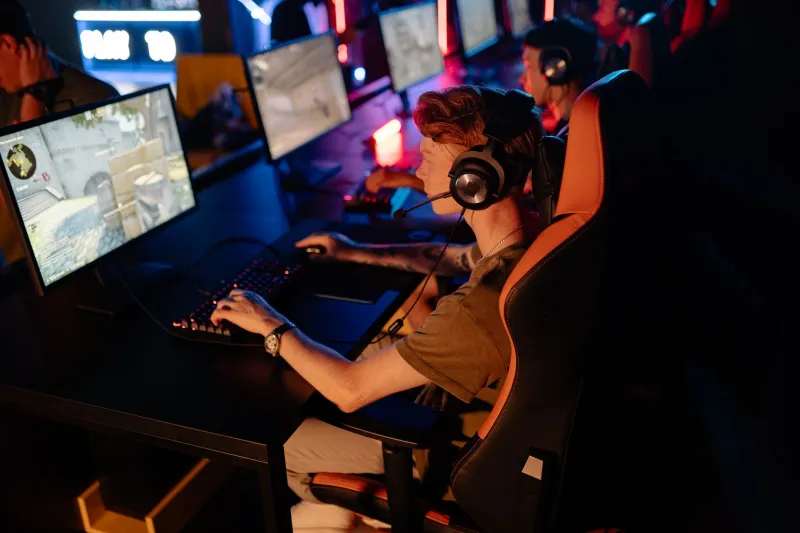
Let's be honest about something the competitive scene doesn't talk about enough. There's a version of this game you play when nobody's watching — grinding, methodical, efficient, boring to spectate. And there's a version you play when the stream is live, or when you're in a lobby and something in your brain decides that the moment calls for something memorable.
Those two versions of the game are in conflict. And increasingly, for a significant chunk of players coming up right now, the second version is winning.
This is an opinion piece. I'm going to tell you what I think is happening, why I think it matters, and why some of the most quietly dominant tournament players in the country are making a very deliberate choice to keep their grind off camera.
The Entertainment Optimization Problem
Streaming culture has done genuinely incredible things for competitive gaming. It's grown audiences, created careers, introduced millions of players to games they wouldn't have found otherwise, and built communities around titles that might have stayed niche. None of that is up for debate.
But here's the thing about streaming: it selects for entertainment, not efficiency. The plays that go viral are aggressive, stylish, and high-variance. The five-kill clutch. The insane flick. The play that makes chat explode. Those moments are real and they're earned — but they're also outliers. They're the exception to the consistent, disciplined gameplay that actually wins tournaments.
When you stream those outlier moments constantly, you create an incentive structure. Viewers reward the highlight. They clip it, share it, subscribe because of it. The steady, correct play that sets up a clean win gets four hundred viewers typing in chat — the miracle play gets four thousand and a viral clip. If you're trying to grow a streaming career, the math is obvious.
The problem is that the math of streaming and the math of competitive play are pointing in completely opposite directions.
What "Playing to the Camera" Actually Looks Like In-Game
You might think this is only a problem for full-time content creators — people whose livelihood depends on viewership. But the effect runs deeper than that.
A generation of players has grown up watching streams as their primary form of gaming education. They learned the game by watching streamers. Their mental model of what "good play" looks like is built on curated highlight content. And when they sit down to play, that model influences their decision-making in ways they're often not aware of.
It shows up as variance-seeking behavior: consistently choosing the higher-risk, higher-reward play over the reliable one, even when the reliable play is objectively correct. It shows up as narrative-driven decision-making: playing the story of the game rather than the state of the game — going for the big play because it feels like the moment, not because the conditions support it. It shows up as discomfort with boring wins: players who mentally disengage from games they're winning cleanly because clean wins don't feel like anything.
None of these tendencies are catastrophic in isolation. But stacked together, they create a player who is genuinely exciting to watch and genuinely inconsistent to compete against — which sounds like a compliment until you realize that inconsistency is the enemy of tournament results.
The Camera That Isn't There
Here's where it gets interesting. I've talked to players who don't stream at all — no live audience, no regular content output — who still describe making decisions mid-game with some version of "I wanted to see if I could pull it off." The imagined audience. The internal highlight reel.
Streaming culture doesn't require a camera to influence behavior. It's been internalized. The aesthetic of competitive gaming — what it's supposed to look like, what counts as impressive — has been shaped so thoroughly by content culture that players are performing for an audience that only exists in their own heads.
This isn't a moral failing. It's a product of the environment. If you learned this game watching streams, if your community celebrates clips and dunks on safe plays, if your definition of "skill" was formed by watching the most entertaining players rather than the most consistent ones — of course that's going to influence how you play. It would be strange if it didn't.
But acknowledging the influence is the first step to deciding whether you want it running your in-game decision-making.
Why Some Tournament Players Are Going Dark
There's a quiet pattern worth noticing among certain competitive players who are putting up consistent results right now. They're not on Twitch every night. They're not posting content about their grind. When they do stream, it's selective — controlled environments, not live ranked grinding.
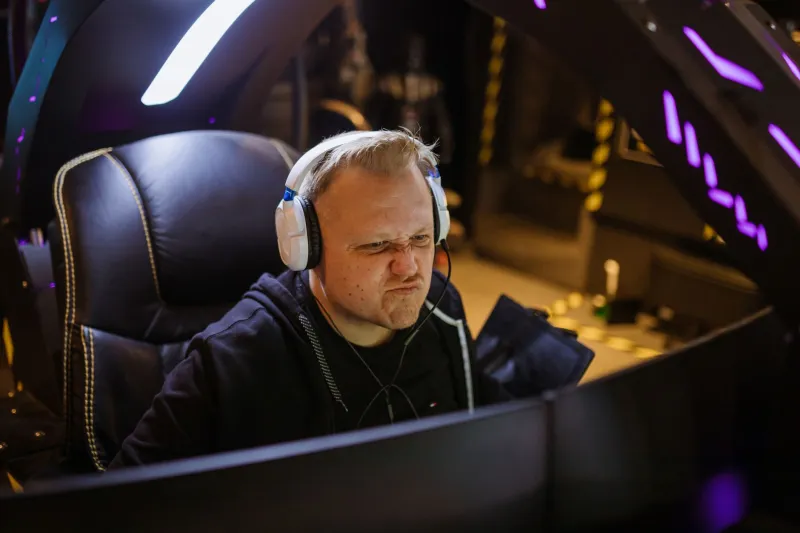
Ask them about it and you'll hear variations of the same thing: streaming changes how they play. Not because they're performing for an audience, but because the act of broadcasting activates a different mode of attention. They're more aware of how things look. They're more likely to go for the play that makes a good story. And that awareness, however subtle, costs them something in the quality of their decision-making.
So they keep the grind private. They protect the space where they can make the boring, correct play without any part of their brain asking whether it's entertaining.
This isn't an argument against streaming. It's an argument for knowing what mode you're in and choosing it deliberately.
The Mad Play That Actually Matters
Here's my actual take: the most impressive thing you can do in competitive gaming isn't the five-kill highlight. It's the consistent, disciplined performance across a full tournament bracket — the ability to make the right call at 2-2 in a best-of-five when your hands are tired and the crowd is loud and the easy play is the flashy one.
That kind of play doesn't clip well. It doesn't go viral. But it wins.
The players who figure out how to keep their fundamentals clean while the rest of the scene chases the camera — those are the ones who are going to be genuinely hard to beat. Not because they're boring. Because they've refused to let entertainment value become a variable in their competitive decision-making.
Stream if you want to stream. Build the audience. Make the content. But know which game you're playing at any given moment — and when it's time to compete, turn the imaginary camera off.